Responsive Menu

Archive

Categories
Coaching

Burnout For Individuals

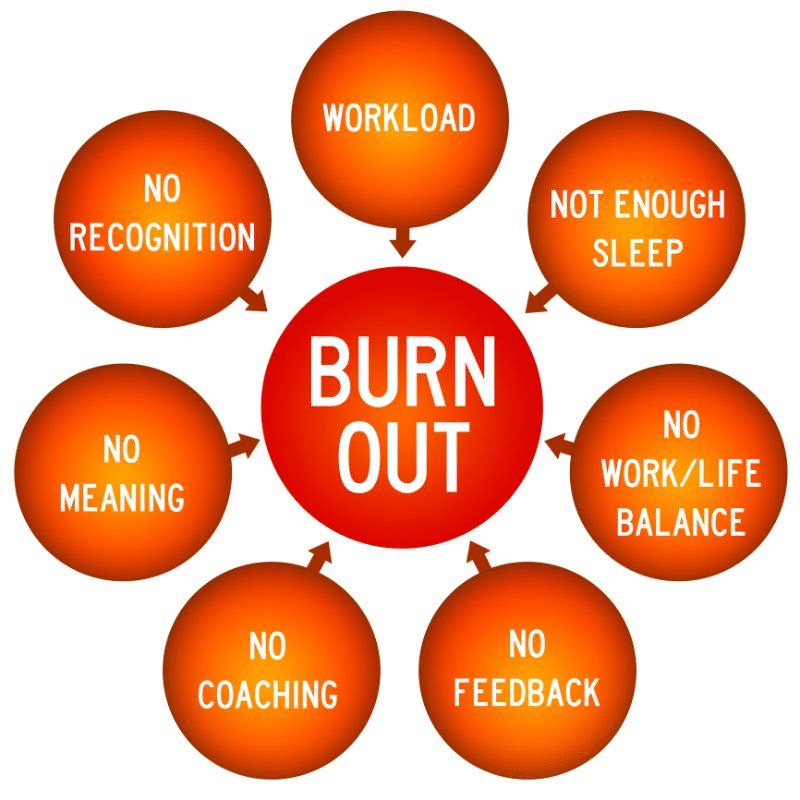
We all have days when we feel overwhelmed, unappreciated or helpless. Sometimes just getting out of bed and facing the workday can feel like an impossible task. However, if you feel like this most of the time, you might be dealing with more than you think. You could be suffering from burnout, a gradual process with subtle signs and symptoms that worsen over time.

We hear the term “burnout” all the time, but most of us think it’s just another name for stress and all of the challenges that come with it. But there is a distinct difference. Stress is having too much on your plate (too many responsibilities, work to handle, etc.), but burnout is the opposite. With burnout, you may feel like you don’t have enough, as in not enough energy or not enough motivation. It feels like you’ve run out of gas and completing even small tasks can seem like an impossible feat. Burnout has become a chronic issue in the workplace, so much so that in 2019, the World Health Organization classified it as an “occupational phenomenon.” And this was before the pandemic.

When we’re going through the day-to-day of life, often we don’t feel like we have time to step back and assess our overall mental health. We just keep pushing through to get it all done. But burnout is sneaky. What starts as a few “bad days” or weeks can result in something far more serious. Burnout can affect every aspect of a person’s life from emotional to physical and behavioral. Below, we’ve broken down the signs and symptoms of each:

Emotional Symptoms

  • Feeling hopeless and trapped
  • Experiencing loss of motivation
  • Having an increasingly cynical and negative outlook
  • Feeling like a failure and experiencing self-doubt and lack of accomplishment

Physical Symptoms

  • Feeling drained and tired the majority of the time
  • Experiencing frequent headaches and muscle aches
  • Dealing with changes in appetite and sleep habits

Behavioral Symptoms

  • Taking frustrations out on others
  • Withdrawing from responsibilities and isolating from other people
  • Using food, drugs or alcohol to cope
  • Continually procrastinating or taking longer than usual to get things done

Burnout not only leads to issues in the workplace, but spills over into every area of life, including home and social life. But when you’re in the midst of burnout, taking the first step towards a solution can feel almost impossible. That’s where working with a coach, like Leah M Joppy and Associates, can be a vital source of healing. We get to know you and the root causes of what’s leading to burnout. We can then help you build habits that lead to improved sleep and relaxation, help you find your motivation again and build that essential work/life balance that’s missing in so many of our lives.

Don’t put yourself on the backburner and let burnout sneak up and take control of your life. Contact Leah M Joppy and Associates at 301-670-0051 or email leah@lmja.com to learn how we can help.


Share
Categories
Coaching

Burnout For Organizations

Burnout. It’s something no one wants to feel and it’s an issue that no organization wants to experience. But increased levels of employee burnout are becoming more common across every industry and not just the ones we think of most, like healthcare and teaching. Many organizations think of burnout as an “individual problem,” solvable by an employee just taking the afternoon off or practicing some breathing techniques. Wrong! It affects your organization at every level and has a negative impact by decreasing morale and increasing turnover.

According to the World Health Organization, burnout is a syndrome resulting from workplace stress that has not been successfully managed. It’s characterized by three dimensions: feelings of energy depletion or exhaustion; increased mental distance from one’s job or feelings or negativism or cynicism related to one’s job; and reduced professional efficacy (World Health Organization, 2019). It’s incredibly costly for organizations. Consider these statistics: according to the American Psychological Association’s 2021 Work and Well-being Survey of nearly 1,500 U.S. workers, 79% of employees had experienced work-related stress in the month before the survey. Nearly 3 in 5 employees reported negative impacts of work-related stress, including lack of interest, motivation, or energy (26%) and lack of effort at work (19%). Meanwhile, 36% reported cognitive weariness, 32% reported emotional exhaustion, and 44% reported physical fatigue—a 38% increase since 2019.

It’s important to train managers to recognize the signs of burnout in team members and have a comprehensive plan in place to address underlying issues. Symptoms of burnout include:

  • Decreased engagement and enthusiasm in work
  • Increased absenteeism
  • Decreased productivity
  • Isolation
  • Higher sensitivity to feedback

Employee burnout is one the most pressing challenges that organizations face today. Leaders need to know the prominent signs (as we outlined above) and how to work with team members on solutions that have a lasting impact. It’s no small task, but in the end, it’s a win-win for everyone. Leah M Joppy and Associates is ready to help your organization face any workforce burnout issues head-on before they become major problems. Call us at 301-670-0051 or email leah@lmja.com and let’s discuss your needs.

Share
Categories
Uncategorized

Controlling Stress By Practicing Mindfulness

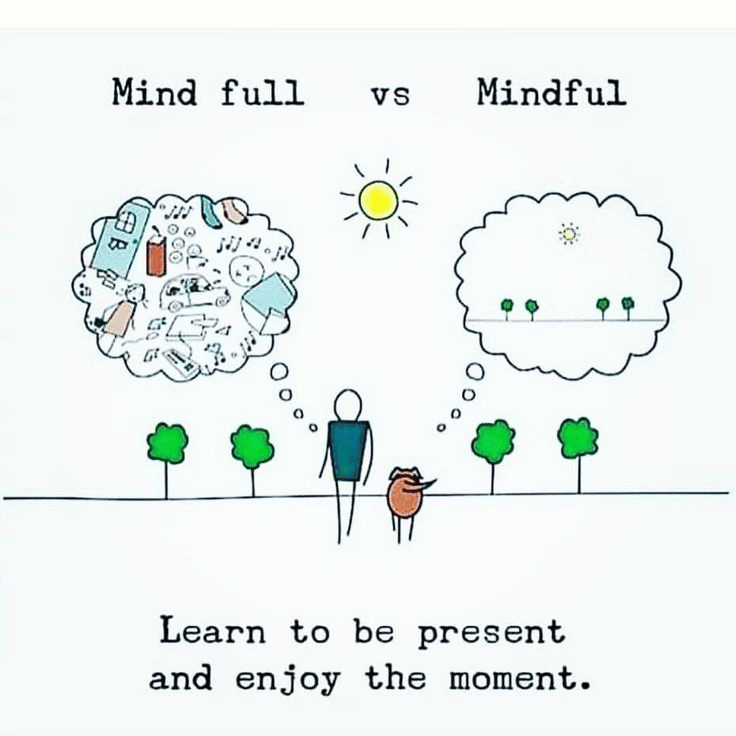
We are all dealing with different stressors in our lives right now. Work responsibilities, balancing career and family, health concerns – the list seems to go on and on. Now that we’ve started a New Year, many of us are looking for ways to reduce anxiety and feel a sense of calm and balance in our day-to-day lives. You’ve probably heard the term “mindfulness” thrown around and wondered if it really works or is just another buzzword or fad. Research has shown that practicing mindfulness reduces activity in the part of your brain called the amygdala. The amygdala is central to switching on your stress response, so by practicing mindfulness, you’re reducing your background level of stress. And who doesn’t need a little of that right now?

So, what exactly is mindfulness and how can it help during times of difficulty, as well as everyday life? Jon Kabat-Zinn, psychologist and founder of the Mindfulness-Based Stress Reduction (MBSR) program, defines mindfulness as “paying attention in a particular way, on purpose, in the present moment and nonjudgmentally.” In short, to be mindful is to be purposeful about where you direct your attention. Instead of letting your thoughts run wild, you take a step back and become intentional about where you put your focus.

Here a few of the benefits of practicing mindfulness:

  • Physical and Emotional Health: According to research, practicing mindfulness regularly can help manage anxiety. It also complements medical and psychological treatments and can help reduce pain and symptoms of conditions such as depression, high blood pressure and addiction.
  • Emotional and Cognitive Regulation: A regular mindfulness practice has been shown to increase focus and help with memory and problem-solving abilities. It can also improve the brain’s capacity for decision-making.
  • Happiness and Joy: By practicing mindfulness, you’ll find it easier to take a few deep breaths and respond in a more patient and thoughtful way to challenging situations or people. You’ll begin to slow down during particularly difficult parts of your day and not react to problems hastily. It also helps you tune in to pleasant experiences that are around you, even during times of stress.

Mindfulness takes practice, but the effort is well worth the reward! In our next article, we’ll take a look at some simple ways to start a mindfulness practice. Leah M Joppy and Associates has conducted many seminars focusing on strategies we can all use to get through life’s challenges. We can tailor a seminar that focuses on mindfulness practices, stress reduction and more. How can we help you? Call us at 301-670-0051 or email leah@lmja.com to learn more.

Share
Categories
Uncategorized

How Can I Begin A Mindfulness Routine?

Mindfulness is such a popular topic these days, but promising new research has shown how practicing mindfulness can be a powerful and effective treatment for anxiety. In a new clinical trial from Georgetown University Medical Center, mindfulness-based stress reduction (MBSR) was shown to be as effective as escitalopram (Lexapro), a commonly used antidepressant, in treating anxiety disorders in some people. Mindfulness is an effective method to bring people back to the present through breath and body awareness. It can help better regulate the body’s response to stressful, negative thoughts and rewire how a person relates to anxiety. The big question many have is: how do I get started?

Here are a few simple ways to begin a mindfulness routine:

  • Pay attention to your breath: Noticing your breath is a vital starting point for any mindfulness practice. Set a timer for three minutes and turn your attention to the physical sensation of your breath (don’t manipulate or control your breathing, just focus on your normal breath). When you find yourself getting distracted, as we all do, redirect and refocus.
  • Do a body scan: Body scanning is placing your attention on one body part at a time (for example, the soles of your feet) and then pausing to explore any sensations or feelings in that area. Then, shift your attention to another part of your body. Pause there and move on to another area. For a full body scan, you may want to start at your head and work your way down to your feet.
  • Listen to the world around you: Mindfulness also involves turning your attention outward in addition to inward. Set a timer for five minutes and tune into the sounds around you (traffic noise, birds singing, etc). Close your eyes and hear what’s coming and going. Listen to the tone and volume.
  • Take a mindfulness walk: As you walk, pay attention to the sensations of your body. How do your feet feel? Notice how your arms swing as you walk. Become more aware of your surroundings and notice the sights, sounds and smells. It’s really about opening up your senses and not walking on auto-pilot.

Distraction is normal during mindfulness, so don’t beat yourself up if you find your mind wandering during your practice. Refocusing your mind when you get distracted is the equivalent of what mindfulness practitioners call “mental pushups”. Don’t give up – with time, your ability to focus will get stronger.

Like exercise, meditation takes practice. Many of us may feel like we can’t block off a chunk of time in our already busy schedules, but even just five to ten minutes of mindfulness a day can make an enormous impact on our well-being. Are you interested in learning more about mindfulness and how it can benefit you? Leah M Joppy and Associates is ready to help. Call us at 301-670-0051 or email leah@lmja.com to learn more.

Share

How Can We Help?

Leah M. Joppy & Associates

Derwood, MD 20855