Responsive Menu

Archive

Categories
AI (Artificial Intelligence)

The Biggest Fears

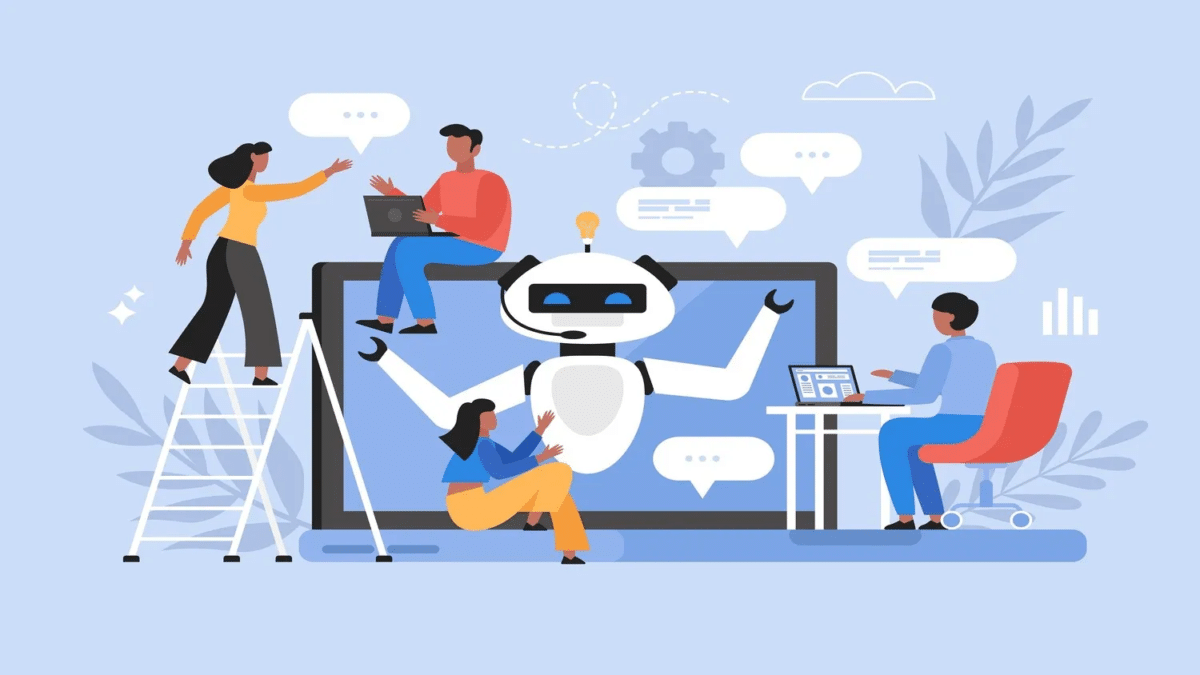
During graduation season this spring, you probably saw footage of students booing commencement speakers who praised AI and encouraged them to ‘embrace it’. Real estate executive Gloria Caulfield described AI as “the next industrial revolution” to the graduating class of the University of Central Florida. After she was immediately met with “boos,” she replied “Okay, I struck a chord.”

But it’s not just recent grads that wonder what the workplace future looks like in the world of AI. Longtime employees, middle management, those with a few years under their belt – you  can’t find a group that isn’t worried about something.

What are some of the biggest fears? And how do team members feel about it? Here’s a look at what tops the list:

Fear #1: “I’m going to lose my job altogether or at the very least I’ll become obsolete.”

What this looks like for team members:

  • Worry that automation or efficiency goals will eliminate jobs entirely.
  • Anxiety that testing tools or building workflows will make a position obsolete (essentially ‘training your replacement’).
  • Fear that relying on AI for key duties tells leaders that a team member is easily swapped out.

Fear #2: “The learning curve with AI is steep. I feel like I’m never going to keep up and my career growth will suffer.”

What this looks like for team members:

  • Stress over adapting fast enough or missing out on promotions because other team members use AI faster.
  • Concern that day-to-day work becomes “AI babysitting” instead of building meaningful skills.
  • Frustration over improper training and guidelines when it comes to AI.

Fear #3: “I’m losing trust in my organization since AI was adopted and I’m fearful that workplace culture is changing.”

What this looks like for team members:

  • Worry that leaders value cost-saving and efficiency more than human well-being.
  • Distrust in AI reliability and accuracy of AI outputs.
  • Anxiety about data privacy breaches.

Has AI caused stress and anxiety within your organization? Are team members adapting or are some having fears like those mentioned above? If you’d like to discuss your organization’s specific challenges with AI and how to better support your team members, Leah M Joppy and Associates is ready to help.

Learn more by calling us at 301-351-9523 or email us at leah@lmja.com.

Share
Categories
AI (Artificial Intelligence)

Communicate Honestly

You’ve probably heard of FOMO (fear of missing out), but are you familiar with the term FOBO (fear of being obsolete)? When it comes to AI in the workplace, things like FOBO, knowledge hoarding and AI anxiety have become commonplace. And whether or not team members have anything to be worried about isn’t the issue. It’s up to leaders to communicate AI strategy clearly, honestly and consistently.

Yes, AI is reshaping the workplace. But it’s how leaders care for team members through that change that will define results and culture. Here are a few ways leaders can put a lid on AI anxiety:

  • Address the AI ‘elephant in the room’: Silence speaks volumes and can lead to rumors, catastrophizing and disengagement. Leaders should acknowledge the anxiety directly and honestly. For example, “We know AI raises questions about roles, and here’s what we know and what we don’t.”
  • Be transparent: This is the single most powerful tool leaders have in managing this transition. Transparency builds trust. If you’re clear and consistent about how AI will be used (and, how it won’t be), you’ll cut down on uncertainty. When people get the ‘why’ and ‘how,’ they can handle the ‘what’ better.
  • Be honest: Transparency is vital, but so is honesty. Don’t make promises you know you can’t keep just to appease team members. Effective AI communication answers the questions employees are actually asking: ‘Will my role change?’ ‘What support will I get?’
  • Offer training and support: AI conversations should include information and opportunities about upskilling. Employees should feel like they have the opportunity to gain skills to become more proficient or feel confident with the basics.
  • Protect human interaction: Design new workflows to include human interaction. Implement collaborative steps during the process and set up team meetings where people can share what’s working and what’s not. Connection is what builds a strong team.

AI, despite its many capabilities, can’t offer the same empathy, emotional intelligence and personal connection as a human manager. How is your team handling the adoption of AI in the workplace? Has it been met with some anxiety and hesitation? Leah M Joppy and Associates is ready to discuss the challenges you’re experiencing and help you create a positive and thriving workplace.

Call us at 301-351-9523 or email us at leah@lmja.com to learn more.

Share
Categories
AI (Artificial Intelligence)

How Is Your Organization Using AI?

It seems like everywhere you look, there’s an article, podcast or discussion about Artificial Intelligence (AI), both positive and negative. But love it or hate it, AI is no longer something agencies are ‘exploring’ or ‘trying out’. It’s becoming a major part of the operational infrastructure. According to a recent study, 55.7% of government organizations now use AI and 42.9% report having formal AI policies in place.

This month, we’ll look at the pros and cons of AI in the workplace. Let’s start on a positive note and look at how AI has transformed the way agencies work. Has your office experienced any of the following?

  • Simplifies repetitive tasks and improves workforce efficiency: This is really AI’s forte. It can handle repetitive and boring tasks, streamline processes and ensure consistency. Best of all, it frees up team members to focus on more complex work.
  • Saves time and resources: For example, AI can quickly summarize lengthy documents, simplify analysis, perform forecasting, etc.
  • Improves decision making: It’s no secret AI can analyze huge amounts of data at incredible speeds. This can help identify patterns and trends, improve forecasting and so much more – all leading to more informed decision making.
  • Improves customer service: For example, the IRS is using AI chat- and voice-bots to better answer taxpayers’ questions.
  • Enhances engagement through learning and development: For example, AI-driven platforms can identify skill gaps among team members and recommend tailored training programs. It can be another tool in your arsenal to help employees grow and advance in their careers.

And here’s a controversial one: some believe that AI has (or has the capacity to) improve work/life balance. Some feel that AI offers significant benefits by reducing workloads, improving communication efficiency and streamlining tasks, all of which contribute to a healthier work/life harmony. This is probably an area where time will tell.

How has your organization embraced AI? Are team members adapting or are some of them having challenges getting on board? If you’d like to discuss your organization’s specific challenges with AI and how to better support your team members, Leah M Joppy and Associates is ready to help.

Learn more by calling us at 301-351-9523 or email us at leah@lmja.com.

Share
Categories
AI (Artificial Intelligence)

What Are The Concerns About AI?

It’s hard to believe, but 30 years ago, we were debating how the internet was going to transform government. Today, we’re asking those same questions about Artificial Intelligence (AI). It’s rapidly evolving and here to stay, whether we like it or not.

While AI can significantly help government functions and potentially save enormous amounts of time and money, there are still a number of cons that need to be addressed. Here are some of the top challenges:

  • Potential job loss: This is probably one of the biggest concerns. As AI systems become better equipped to perform tasks traditionally carried out by people, there is a fear that some jobs may become obsolete.
  • A skills gap and training needs: Integrating AI into the workplace requires team members to learn new skills and adapt to new technologies. The result can be a skills gap, as not all team members may be prepared for these changes.
  • Privacy concerns: A 2024 report by the House Bipartisan AI Task Force flagged privacy protections as a major barrier to AI adoption, particularly for areas like Social Security and taxpayer records.
  • The quality and volume of federal data: AI systems need curated and standardized information to function properly and accurately. However, the massive scale and quality of federal data can make this extremely challenging.
  • Human oversight to flag mistakes: AI systems aren’t perfect and make mistakes. False positives can delay or deny benefits, such as Social Security payments. Meanwhile, false negatives can allow fraud to slip through. Human oversight, and the training that accompanies it, is a necessity.

Most importantly, AI, despite its many capabilities, can’t offer the same empathy, emotional intelligence and personal connection as a human manager. How is your team handling the adoption of AI in the workplace? Leah M Joppy and Associates is ready to discuss the challenges you’re experiencing and help harness the power of AI to create a positive and thriving workplace.

Call us at 301-351-9523 or email us at leah@lmja.com to learn more.

Share
Categories
Employee Engagement

The Big Three Of Employee Engagement

The topic of employee engagement is nothing new in the workplace, but it’s getting more and more attention these days. And with good reason. For an organization to succeed, leaders at every level need to understand and appreciate what makes employee engagement important.

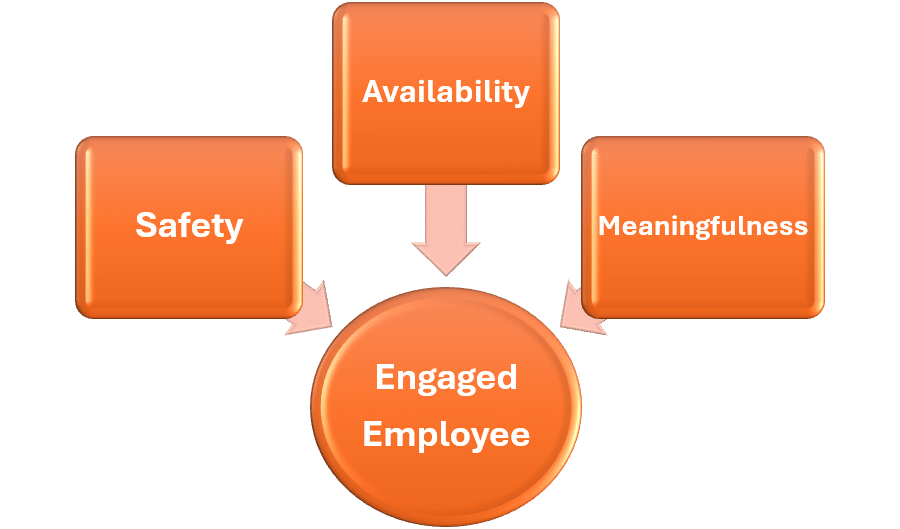
For the last few months, we’ve delved into the “Big 3” of employee engagement: psychological safety, psychological availability and psychological meaningfulness. This month, we’re going to briefly summarize each and look at why they’re so important.

Psychological Safety: This is the belief that team members can be themselves and take appropriate risks without fear of being penalized. It enables them to:

  • believe that they’re a valued member of the team
  • admit and discuss mistakes
  • ask for help and feedback

Why It Matters: Psychological safety plays a big role in decision making, healthy relationships among colleagues, greater innovation and effective execution. Research has shown that prioritizing psychological safety increases productivity, decreases employee stress and reduces turnover.

Psychological Availability: This occurs when employees feel like they have the physical, emotional and mental resources to do their job. Some of the main impactors include: support from leadership, ability to manage workload and stress and feeling like there’s a healthy work/life balance.

Why It Matters: A lack of psychological availability in the workplace is a key contributor to employee burnout. And, as we all know, burnout can be lethal to an organization’s productivity, morale and overall culture.

Psychological Meaningfulness: This is when team members feel motivated within their positions and believe they’re a part of something larger than themselves. While meaningful work looks different for everyone, these three C’s are a common component:

  • Community: Team members feel a strong sense of belonging
  • Contribution: They understand how their work impacts others
  • Challenge: They believe they’re growing in a meaningful way

Why It Matters: Research from the American Psychological Association has shown that workers who perceive their jobs as meaningful report higher job satisfaction, are more engaged, have lower rates of absenteeism and even enjoy better health. It’s no surprise that team members feel more connected when they believe they’re making an impact and a difference.

Having all three of these employee engagement drivers in place can feel like an impossible task. But it doesn’t have to. Leah M Joppy and Associates helps you get to root causes of WHY team members are feeling disengaged. Then, we work with you to come up with ideas and strategies to address these problems quickly.

Learn more by calling us at 301-351-9523 or email us at leah@lmja.com.

Share
Categories
Employee Engagement

Why Should I Pay Attention To Employee Engagement?

Employee engagement is a hot topic these days, but when it comes to tackling engagement issues within an organization, leaders can quickly become overwhelmed and filled with questions. Improving employee engagement doesn’t happen overnight and there’s no ‘one size fits all’ approach. It starts with understanding your team members’ wants and needs and prioritizing their well-being.

Let’s look at some of the top questions surrounding employee engagement:

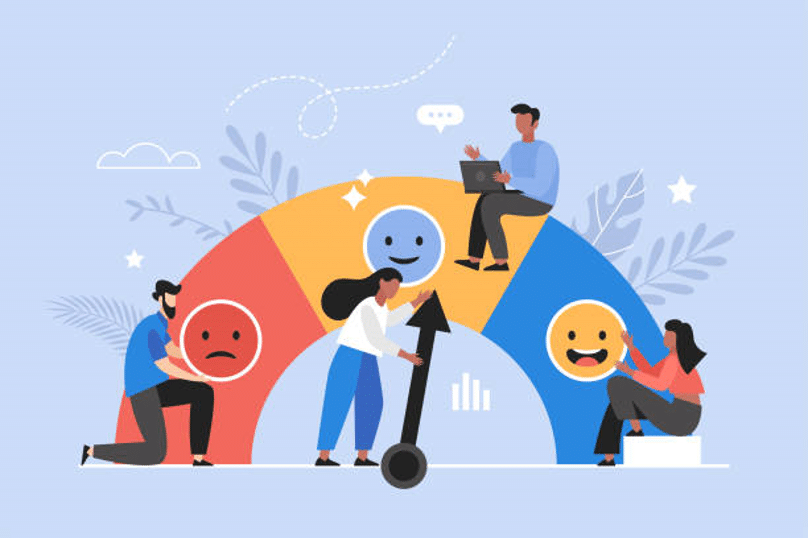
What exactly is employee engagement? Employee engagement is the degree to which team members feel connected to their work, their colleagues and the organization as a whole. Engagement isn’t driven by one thing. It’s the full picture, from how valued and supported they feel to understanding the impact of their work.

What does an engaged employee look like? An engaged employee brings their best self to work, often going above and beyond. For example, they identify areas where they can develop new skills, take pride in their work and are engaged during meetings.

What does a disengaged employee look like? On the flipside, a disengaged employee does the bare minimum and won’t look for ways to contribute to the wider organization and culture. Because they don’t see a future for themselves, they’re happy to maintain the status quo.

What are some of the top drivers of employee engagement? Engagement is different for everyone, but these drivers should be part of your organization’s strategy:

  • Ensuring each employee is making regular progress
  • Providing autonomy
  • Promoting a culture where ideas are encouraged and shared
  • Creating an environment of learning and development
  • Building manager relationships based on empathy
  • Prioritizing purpose, challenge and respect in the workplace
  • Developing strong team relationships and a sense of belonging
  • Keeping workloads manageable and avoiding burnout

What can leaders do to increase employee engagement? There are so many ways leaders can make a difference. Here are the top 3:

  • Listen to feedback – and implement it where appropriate
  • Model the behavior you want your team to emulate
  • Advocate for your team

Prioritizing employee engagement has real, measurable impacts! Leah M Joppy and Associates offers a fresh approach and perspective, combined with experience tackling all different types of employee disengagement issues, to help you jumpstart your team’s motivation.

Call us at 301-351-9523 or email us at leah@lmja.com to learn more.

Share
Categories
Meaningful Work

What Makes Work Meaningful?

We spend the majority of our waking hours in the office, but how often do we pause and think about whether our job is fulfilling? Are the projects we’re working on ones that we’re motivated to tackle day after day? Turns out, purposeful work is a major factor in employee satisfaction and overall engagement.

The last few months we’ve looked at two other drivers of employee engagement: psychological safety and psychological availability. This month, we’re diving into psychological meaningfulness, the third big piece in the pie.

So, what exactly is psychological meaningfulness? It’s when team members feel motivated within their positions and believe they’re a part of something larger than themselves. For many people, the purpose of working might be about getting a salary, but we don’t find many saying that salary is what makes their work purposeful.

Meaningful work is one of those things that looks different for each of us. For some, a positive impact can be about grand goals, such as fighting diseases, bringing forth political change or saving the environment. But it can also be more everyday impacts, such as helping customers or making a client happy.

While meaningful work looks different for everyone, there are some common components that come into play. Here’s a look at the three C’s of meaningful work, along with questions leaders can ask themselves to see if they’re focusing on workplace purpose:

  • Community: Do team members feel a strong sense of belonging?
  • Contribution: Do they understand how their work impacts others?
  • Challenge: Am I helping them grow in meaningful ways?

If you give people purposeful work, you set them up for success and they’ll reciprocate by pouring themselves into that work. Look around your office. Are team members engaged in projects or just going through the motions? Are leaders actively communicating the impact of projects and why they matter? If you feel like psychological meaningfulness could use a boost in your organization, Leah M Joppy and Associates is ready to help. We can help your organization identify the root causes of employee disengagement and implement strategies with real impact.

Learn more by calling us at 301-351-9523 or email us at leah@lmja.com.

Share
Categories
Coaching

Combating Burnout

The World Health Organization defines burnout as “a syndrome resulting from chronic workplace stress that has not been successfully managed.” In other words, this workplace phenomenon is a reflection on leadership, not a weakness in team members. Telling employees to “be more resilient” or to, “hang in there” just isn’t going to cut it right now.

The last few years have brought a fair share of challenges, to say the least. Burnout isn’t something that just happens overnight. It takes time to develop and can slowly creep into the workplace. What are some of the signs that your team is dealing with it? Be on the lookout for these 7 big ones:

  • Change in demeanor or attitude
  • Low-motivation or energy to do things they were previously motivated to do
  • Difficulty concentrating, remembering tasks or completing projects
  • Increased absenteeism or non-responsiveness
  • Lack of participation in team projects, meetings or events
  • High sensitivity to feedback or inappropriate reactions to criticism
  • Low productivity or difficulty maintaining a normal workload

In our last article that we said that psychological availability means employees feel like they have the physical, emotional and mental resources to do their job. There are a lot of issues that are out of the control of leaders right now, but there are ways they can increase levels of psychological availability and combat signs of burnout. Here are the top 5:

  • Ask how team members are really Check in and practice active listening.
  • Don’t micromanage, but empower. One of the main causes of burnout is a perceived lack of control.
  • Recognize efforts. Expressing gratitude helps team members feel that their work matters.
  • Make human connection a priority. A lack of social support can be a big driver of burnout, even if workers are back in the office.
  • Develop a shared sense of “why” and communicate to team members why their work matters.

It’s a myth that burnout is simply from overwork. Burnout comes from basic needs not being met over time. But with the right leadership strategies, it can improve substantially. Leah M Joppy and Associates can help you combat employee burnout and disengagement before productivity declines and turnover increases.

Call us at 301-351-9523 or email us at leah@lmja.com to learn more.

Share
Categories
Coaching

Psychological Availability: Providing Resources For Your Team

When you take a good, long look around your office, what do you see? Are team members engaged in projects or are they simply “going through the motions?” Do they have the proper technology to do their jobs and, at very least, a proper area to work? Is the environment inviting or dark and depressing?

All of these factors are just a few drivers of employee engagement. Last month, we looked at psychological safety and its impact on engagement. This month, we’re looking at psychological availability and the role it plays in a healthy, productive work environment.

So, what is ‘psychological availability’ and what does it look like? In short, it means that employees feel like they have the physical, emotional and mental resources to do their job. Here are some of the main factors that impact psychological availability:

  • Support from leadership
  • Ability to manage workload and stress
  • Having a trusting, comfortable team environment
  • Access to necessary equipment, comfortable workspaces, etc.
  • Feeling like there’s a healthy work/life balance

Making psychological availability a priority comes down to organizations creating a workplace where team members feel supported – both through a healthy physical and emotional environment.

We hear the term “burnout” all the time, but we don’t hear about “psychological availability” all that often. However, the two go hand-in-hand: a lack of psychological availability in the workplace is a key contributor to employee burnout. And, as we all know, burnout can be lethal to an organization’s productivity, morale and overall culture.

That’s where Leah M Joppy and Associates can help. We get to the root causes of WHY team members are feeling burned out and disengaged. Then, we work with you to come up with ideas and strategies to address these problems quickly.

Learn more by calling us at 301-351-9523 or email us at leah@lmja.com.

Share
Categories
Coaching

How Secure Are Your Team Members?

When was the last time you really observed and checked in on how your team is doing? Last week? Last month? Or maybe you can’t even remember. It’s no secret that the last few years have really taken a toll on motivation. Now, more than ever, it’s important that leaders are looking at how the workplace environment is shaping team members’ attitudes and perceptions.

What is Psychological Safety?

There’s an important component of workplace motivation and engagement that shouldn’t be ignored: psychological safety. You’ve probably heard this term thrown around, but what does it actually mean? It’s the belief that team members can be themselves and can take appropriate risks without fear of being penalized. It enables them to:

  • believe that they’re a valued member of the team
  • admit and discuss mistakes
  • talk about problems and tough issues
  • ask for help and feedback
  • trust that no one on the team is out to get them

What Does Psychological Safety Look Like?

So, the big question is, “How do I know if my team has psychological safety?” The answers to these 7 simple statements, developed by Amy Edmondston, Harvard Business School professor and author of The Fearless Organization, can give you a sense of whether or not they feel psychologically safe:

  • If you make a mistake on this team, it is not held against you.
  • Members of this team are able to bring up problems and tough issues.
  • People on this team often accept others for being different.
  • It is safe to take a risk on this team.
  • It isn’t difficult to ask other members of this team for help.
  • No one on this team would deliberately act in a way that undermines my efforts.
  • Working with members of this team, my unique skills and talents are valued and utilized.

How would you rate the level of psychological safety within your organization? Do team members feel comfortable sharing their ideas, questions and concerns or is there room for improvement? That’s where Leah M Joppy and Associates can step in and help. We can look at your current practices and help you craft new and innovative ways to communicate, problem-solve and engage with team members.

Learn more by calling us at 301-351-9523 or email us at leah@lmja.com.


Share

How Can We Help?

Leah M. Joppy & Associates

Derwood, MD 20855