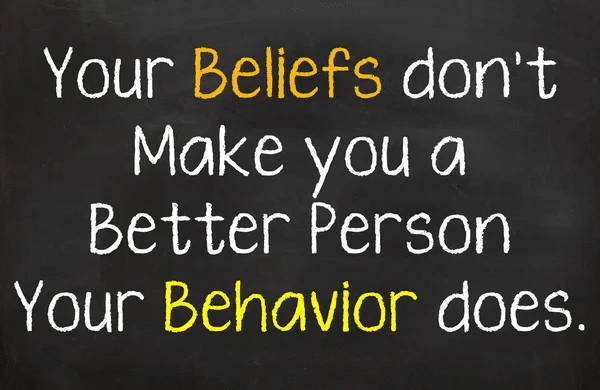

Have you ever worked in an environment where team members were chronically late for meetings and when they did show up, interrupted the flow and needed to be caught up? How about trying to work with people who blamed others for their mistakes or made excuses for not finishing a task or hitting a goal? These are just a few examples of workplaces with a lack of accountability. What starts as small issues can quickly snowball when no one takes ownership of making decisions, addressing challenges and solving problems. And it makes it impossible to create a high performing team.
What does accountability look like in the workplace? A culture of accountability means that team members take responsibility for their performance and project outcomes. They don’t play the “blame game” when something goes wrong, but take ownership of mistakes and try to learn from them. Accountable employees work to find solutions. As a result, an organization thrives and doesn’t have as many issues with productivity and engagement.
That doesn’t mean that holding team members accountable is easy. We often resist doing it because it makes us uncomfortable, we simply forget or maybe we don’t even know how to go about it. Here’s a look at 4 things managers can do to foster an accountable team environment:
- Lead by example: You can’t hold others accountable until you begin with yourself. As a manager, you set the tone, performance and culture for your team. If you’re continuously showing up to meetings late, pushing deadlines and not owning up to your mistakes, people will follow your lead.
- Set clear, measurable goals: When you clarify expectations and goals, you help your team understand what their focus should be. Explain what should be done, why it matters and what the final outcome should look like. Most people want to meet their goals and help the team, especially when they truly understand what’s at stake.
- Work on your feedback skills: Giving tough feedback is never easy, but it’s a necessary management skill and one of the most important to develop. However, it’s also important to provide consistent positive feedback. If all your employees hear about is what they’re doing wrong, that’s hardly motivating. It’s all about clear and respectful communication, something we’ll cover more in our next article.
- Reward accountability: When managers see accountability being practiced, they should celebrate it and recognize team members that are doing it. Ideas include: making accountability a criteria when considering employees for promotions, publicly thanking team members for taking accountability and solving problems and offering professional development opportunities when team members take accountability in areas they need to learn.
Fostering a culture of accountability on your team will not only improve employee morale, but it’ll also give your team the sense of ownership they need to thrive. If you feel accountability is lacking within your organization, working with a coach, like Leah M Joppy and Associates can help. We can work with you to identify any accountability issues on your team, assist managers with how to deal with them and help build a culture of trust and transparency. The result is more engaged, focused and happy employees!
Ready to learn more? Call us at 301-670-0051 or email us at leah@lmja.com.