
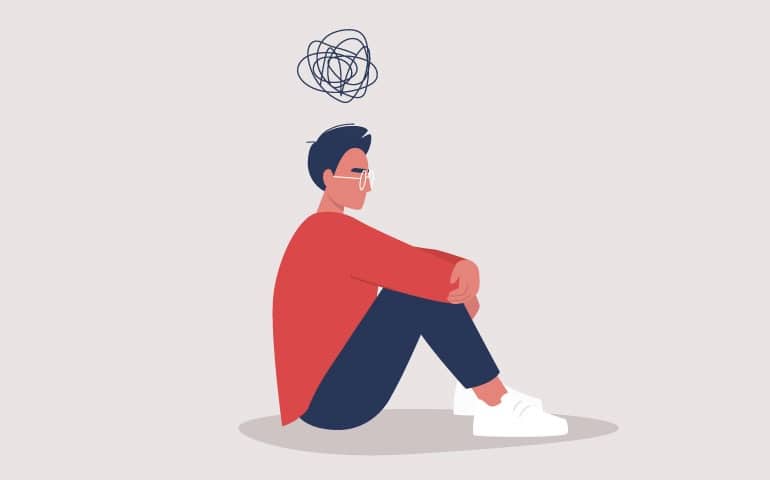
With all up the upheaval in our professional lives, waking up in a “bad mood” can feel like an everyday occurrence. It can make us want to hide and isolate ourselves from friends, family and life in general. We may not even be aware at how much negativity has affected our day-to-day thinking.
Negativity can feel like a vicious cycle: you try your best to be positive, but then you get another text, email or have a conversation that sends you on a downward spiral. Prolonged periods of cynical thinking, denial and catastrophizing can create neural pathways in the brain that encourage sadness. These feelings can cause our brain to distort the truth and make it even more difficult to break the negative cycle. There are some common types of negativity that we may not even realize we’re falling victim to. Here are 7 examples:
• Filtering: Only noticing the bad and filtering out the positive or good in an event or situation (ie- only focusing on the few criticisms in a performance review and not hearing all of the positive feedback).
• Jumping to Conclusions: Assuming something bad will happen because of circumstances in the present.
• Catastrophizing: Believing that disaster is inevitable.
• Blaming: Blaming others for your circumstances and feeling that you are a victim to life’s uncontrollable events.
• Emotional Reasoning: Defining what’s real and what’s not based purely on your emotions.
• Fallacy of Change: Believing that if people or circumstances change, you’ll be happy.
• Heaven’s Reward Fallacy: Assuming there will always be a reward for hard work and sacrifice. When the reward doesn’t happen, you become bitter and depressed.
Negative thoughts and emotions are a natural response to challenges in our life, but extended bouts can result in health issues, both physical and mental. Negativity sends our body into ‘fight-or-flight’ mode. We deal with stressful situations by releasing cortisol into the bloodstream, making us more alert and focused. And although some stress is good for us, extended periods of negativity can cause a host of side effects, including:
• Slower digestion and upset stomach
• Decrease in the immune system’s ability to fight inflammation
• Headaches
• Fatigue
• Sleep problems or insomnia
• Drastic changes in metabolism (i.e. overeating or under-eating)
You’re probably thinking, “Great! Now I’m not only dealing with work uncertainty, but I’m doing harm to my health as well!” The good news (and there is some!) is that negativity is a habit that can be broken. It’s not easy when you’re in the midst of chaos, but it is possible. We’ll look at some techniques to help in our next article. Working with a coach, like Leah M Joppy and Associates, can also provide a fresh perspective, goal setting and accountability that can help break the cycle of negativity. You want to feel like you’re moving forward – coaching can help you get there and feel less “stuck”. To learn more, call us at 301-670-0051 or email us at leah@lmja.com.
Note: Our ‘Purposeful Retirement’ seminar on June 28th will now be held via Zoom. To learn more and register, please visit: https://www.eventbrite.com/e/purposeful-retirement-workshop-love-your-next-chapter-tickets-1325629667019.